If your feed looks anything like mine, you’ve seen the glowing red masks everywhere. Red light therapy has gone from dermatology offices to bathroom counters, and I’m sure you’re wondering: is it actually worth it? I dug in, and here’s the honest, polished-but-practical rundown.
Disclosure: This post contains affiliate links. If you shop through them, I may earn a small commission at no extra cost to you. I only share products I’d genuinely recommend.
What Is Red Light Therapy?
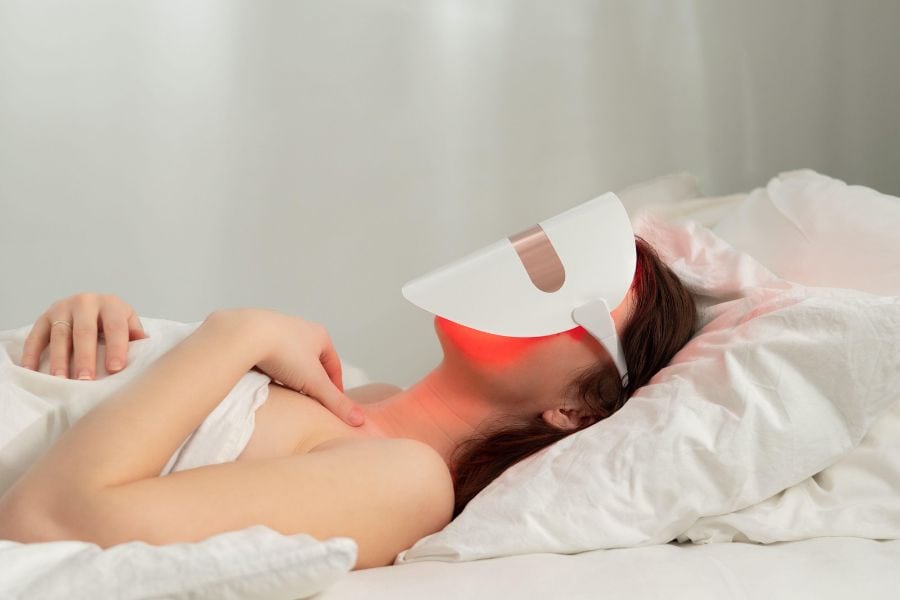
Red light therapy (also called low-level light therapy or photobiomodulation) uses low-intensity red wavelengths, typically around 630 to 660 nanometers, and sometimes near-infrared light around 810 to 850 nm. Unlike UV light, it doesn’t tan or burn the skin. The idea is that these wavelengths are absorbed by the cells’ mitochondria, which may nudge cellular energy production and repair processes.
The Beauty and Skin Benefits
Here’s what the research suggests, and where I’d keep expectations realistic.
Fine lines and skin texture. Several small studies have found improvements in the look of fine lines, roughness, and skin tone after consistent use over about 8 to 12 weeks. Think “softer, smoother, more even,” not “filler in a mask.”
Collagen support. Red light appears to stimulate fibroblasts, the cells that produce collagen and elastin. This is the main reason it’s marketed as an anti-aging tool, and it’s the best-supported benefit of the bunch.
A calmer, brighter complexion. Some people notice reduced redness and a healthier glow. Light therapy may also support skin recovery after in-office treatments, which is worth asking your dermatologist about.
Breakouts. Red light is often paired with blue light for acne, since blue targets acne-causing bacteria and red may help with inflammation. Results vary, and it isn’t a replacement for a proper acne routine.
Hair. Low-level light devices (caps and combs) have some evidence for supporting hair density in early thinning, if used consistently.
Honest Expectations
- Consistency is everything. Most routines call for 3 to 5 sessions a week, 10 to 20 minutes each, for at least two to three months before you judge results.
- It’s subtle. Gradual, cumulative improvement is the realistic outcome. It won’t replace sunscreen, retinol, or good sleep.
- Quality varies wildly. The wavelength, power output (irradiance), and coverage matter. Many cheap devices are underpowered.
- Eye safety matters. Wear the included goggles or keep your eyes closed, and follow manufacturer guidance.
- Check with your doctor first if you’re pregnant, have a light-sensitive condition, take photosensitizing medications, or have a history of skin cancer.
Types of Red Light Products
LED Face Masks
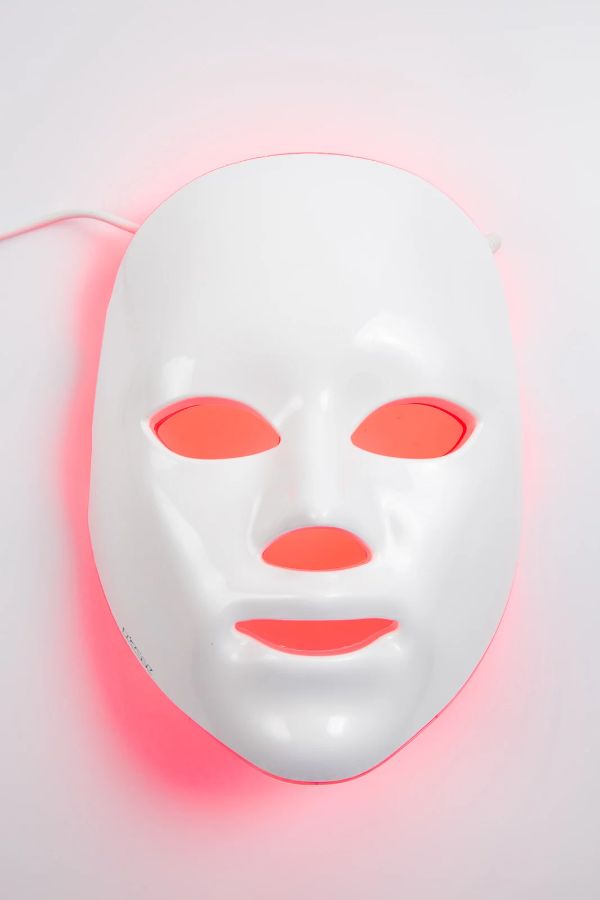
The full-coverage, hands-free option. Best if you want a true “set it and forget it” routine while you answer emails or watch a show. Look for masks that list specific wavelengths (around 633 and 830 nm are common) and have a flexible, comfortable fit.
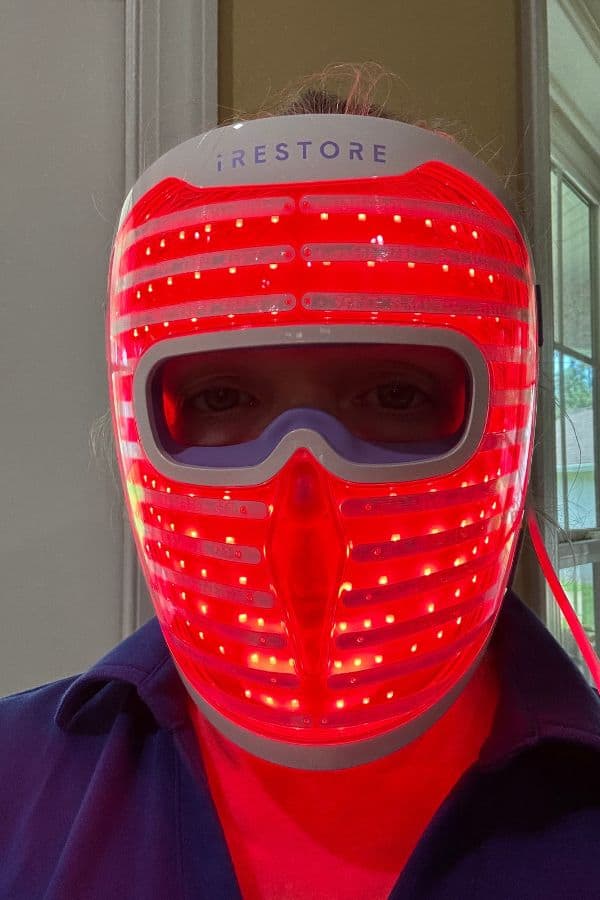
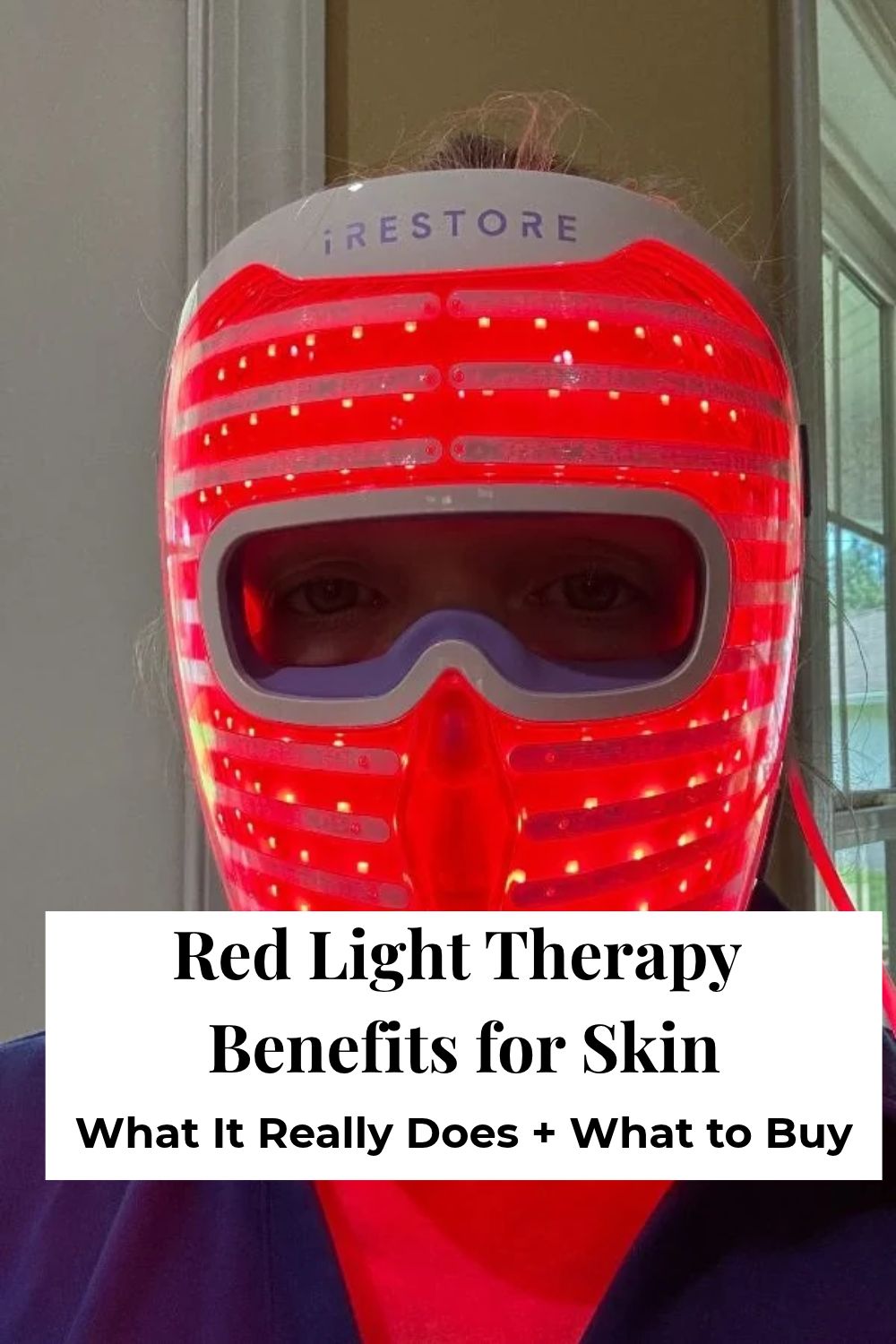
I invested in the iRestore mask about four months ago. This model offers great eye protection but limits your under eye are from benefiting from the red light therapy. I use it for 10 minutes 4 times per week. Results are slow and subtle, but I’m sticking with it for the long term collagen support. Collagen keeps skin firm and plump, and prevents sagging skin.
I can move around a bit when wearing it but do have to be careful that I don’t let the battery pack fall and pull out of the port.
JOVS 6D Laser Therapy Mask for Face, FPT Tech, Wireless Rechargeable
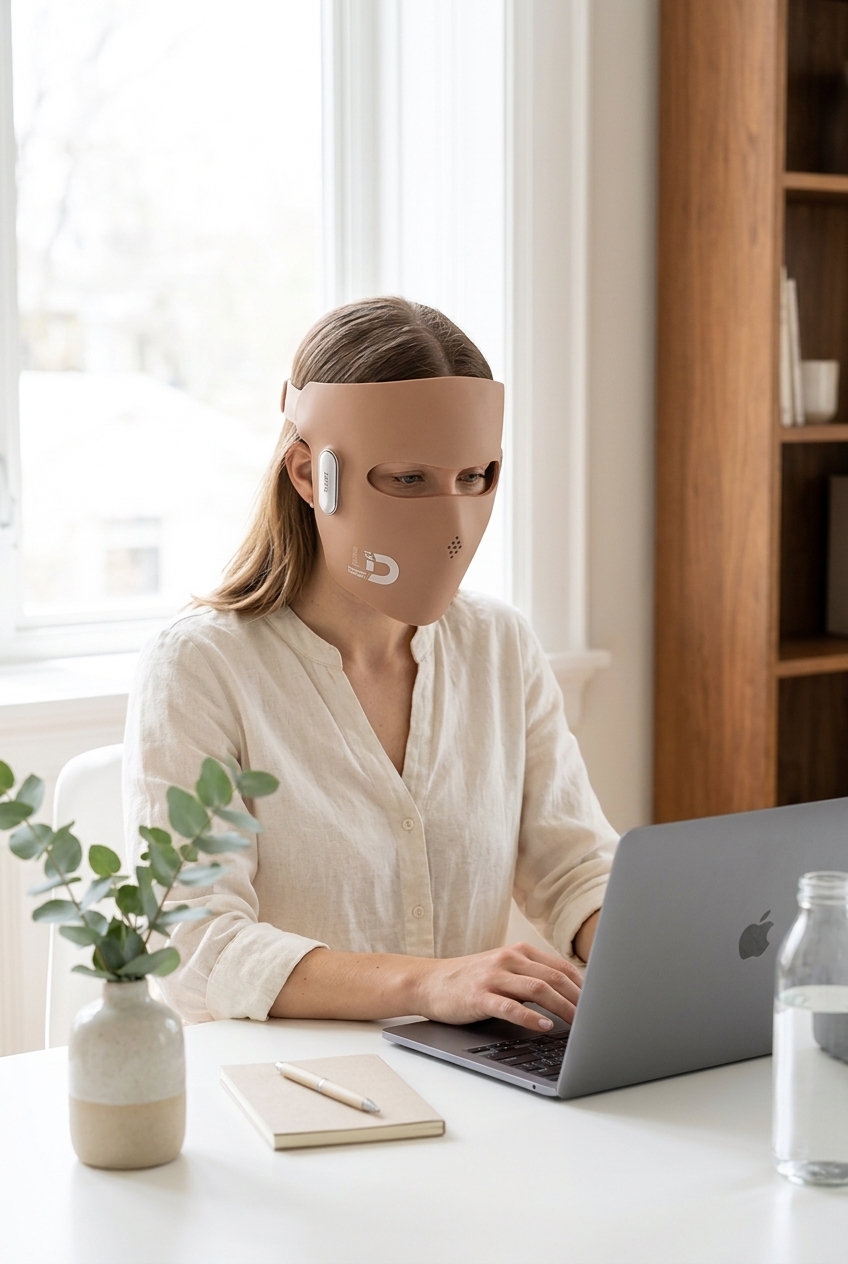
Combines laser/light therapy (660nm, 850nm, 940nm, 1064nm, plus 510–1940nm full-spectrum coverage) with 10 metal electrodes delivering EMS muscle stimulation across eight intensity levels. Soft silicone mask. Some find the EMS stimulation uncomfortable but others say it’s like butterflies flapping wings on your skin and enjoyable.
Shark CryoGlow LED Face Mask, Red Light Therapy, Under-Eye Cooling
This LED face mask combines high-energy red and blue LEDs, deep-penetrating infrared, and adjustable under-eye cooling in one skincare device. iQLED Technology delivers dermatologist-optimized red, blue, and deep infrared light with interlocking tri-wick LEDs for complete coverage. Blue light helps target acne, red light helps reduce the appearance of lines and wrinkles, and deep infrared stimulates collagen production and helps reduce lines and wrinkles. Choose from 4 unique treatments to match your skincare goals. Also rated best for reducing puffiness.
Handheld Wands and Devices
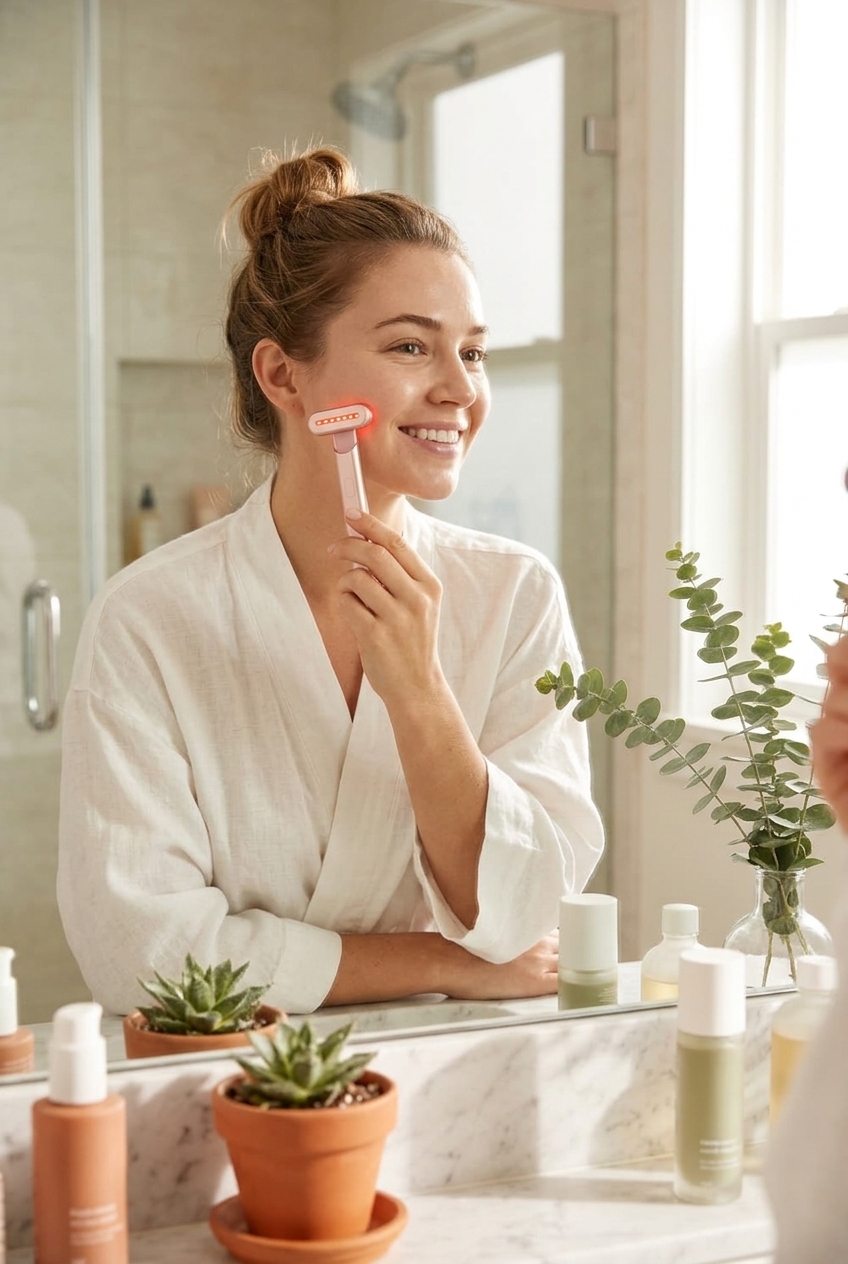
Smaller, travel-friendly, and usually more affordable. Great for targeting the eye area, forehead, or neck, but they may take more time per session.
medicube Booster Pro X2™ – 7 in 1 Glow Beauty Device, 2X Glow Care
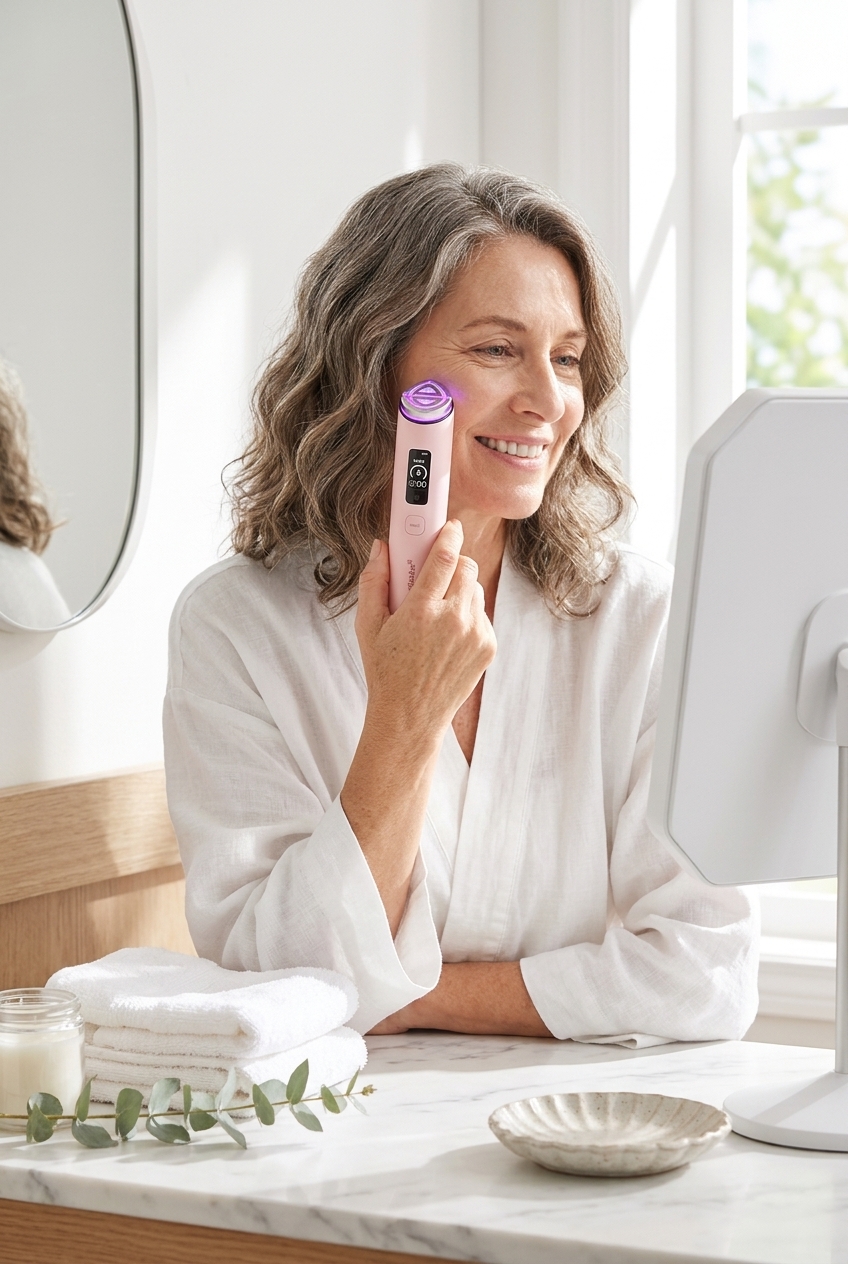
Features 7 modes and 6 adjustable intensity levels to help support glow, pore care, skin definition, radiance care, and more in one device. The device is promoted to help with better absorption of skin care products and healthier, glowing skin. Not FDA cleared.
Solawave 4-in-1 Red Light Therapy Wand for Face & Neck (Rose Gold)
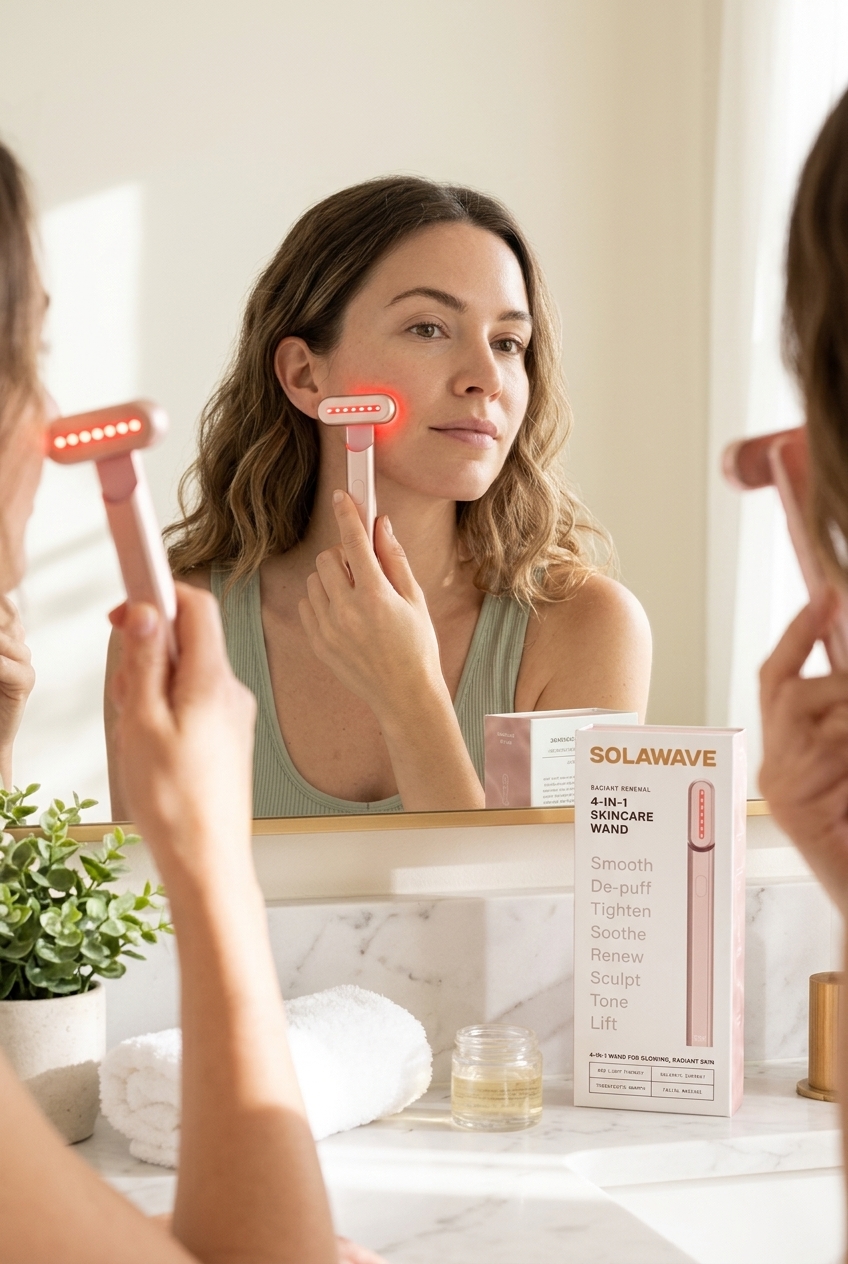
FDA approved, this wand targets wrinkles and helps reduce puffiness. Reviewers love the heat feature and say it helps heal acne and minor skin irritations.
Shark FacialPro Glow + DePuffi 2-in-1 Facial & Contrast Therapy
This isn’t a red light therapy product, but worth a mention in regards to skin care. Get an in home hyrdro facial with this device. It clears imperfections from pores, exfoliates, and depuffs under eyes and sculpts the face. I’ve heard and seen good reviews of this product.
Light Panels
Larger panels cover the face and body and tend to deliver stronger output. They’re a great fit if you want to treat more than your face, but they take up space and are much pricier.
Hooga Red Light Therapy Panel, Full Body
One of the top recommendations by Forbes.
Eye and Neck Devices
Targeted tools for the areas that show age first. Gentle, focused, and a nice add-on once you’ve got a base routine. This is next on my list. I’m a side sleeper so I’m creating some wrinkles on my chest I don’t need or want.
Some options to conside:
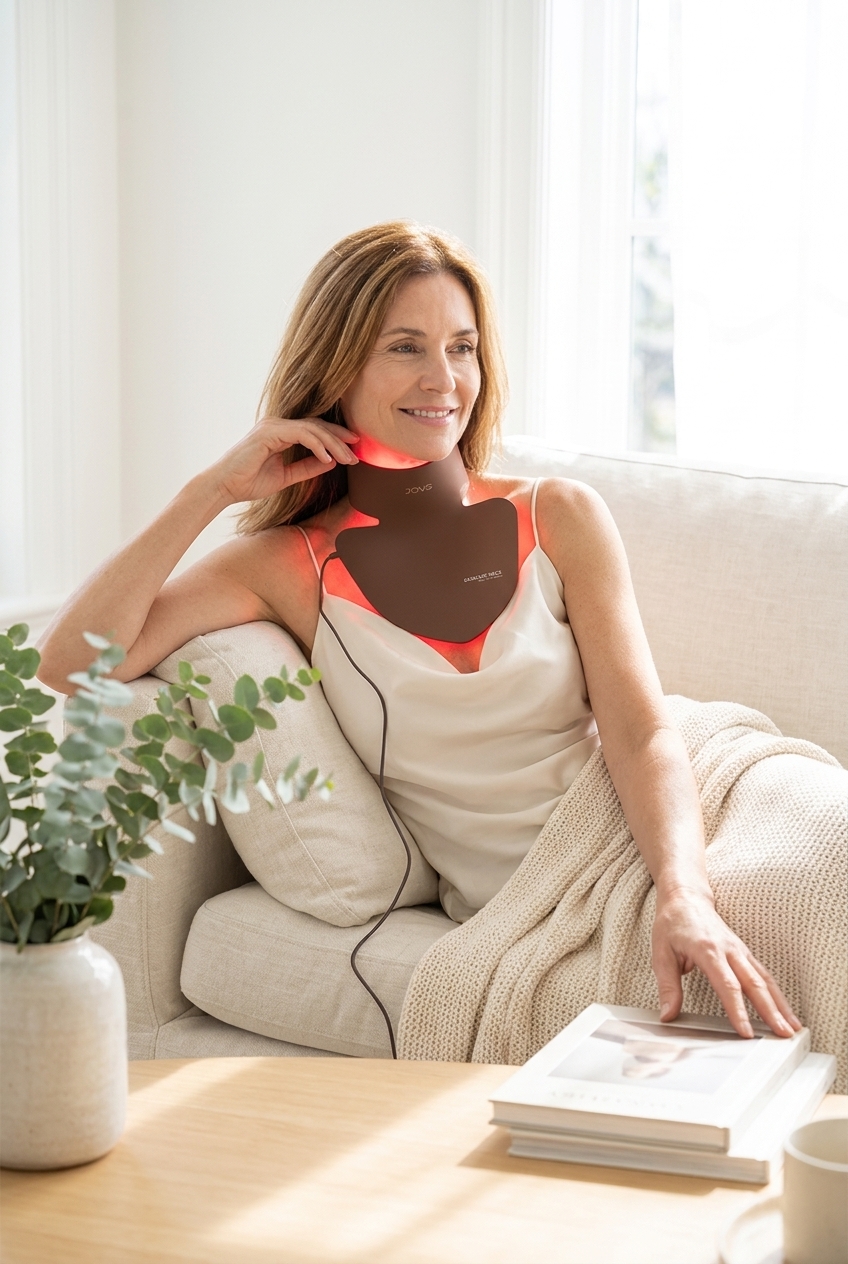
Red light therapy for skin on the neck, chest and back with intensity controls. Described as easy and comfortable to use.
Solowave Neck and Chest Red Light Therapy Mask
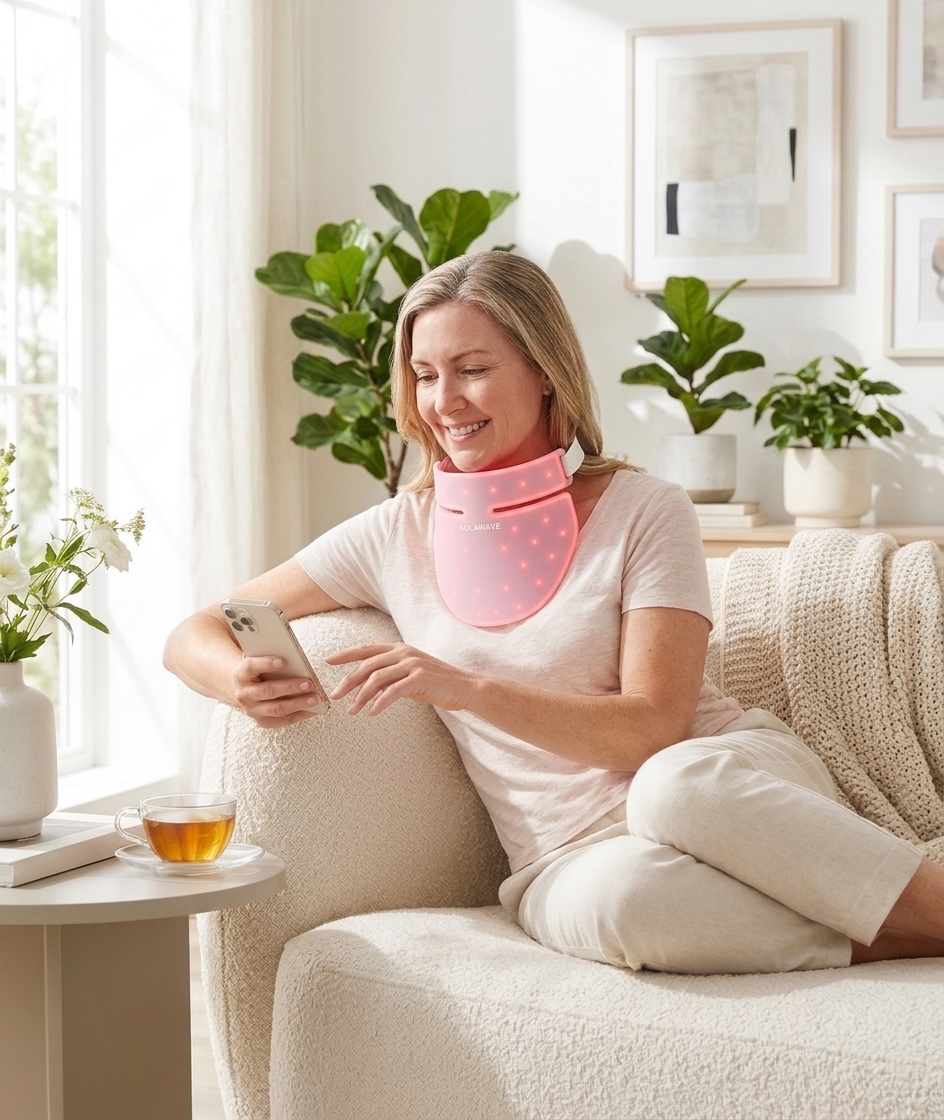
Even and tone skin. Smooth the appearance of fine lines and wrinkles. Reviewers report a noticeable difference.
Hair Growth Caps and Combs
Red light therapy isn’t just for skin. For those exploring light therapy for thinning, wearable caps offer hands-free coverage.
iRestore Essential – Laser Red Light Therapy for Hair Growth
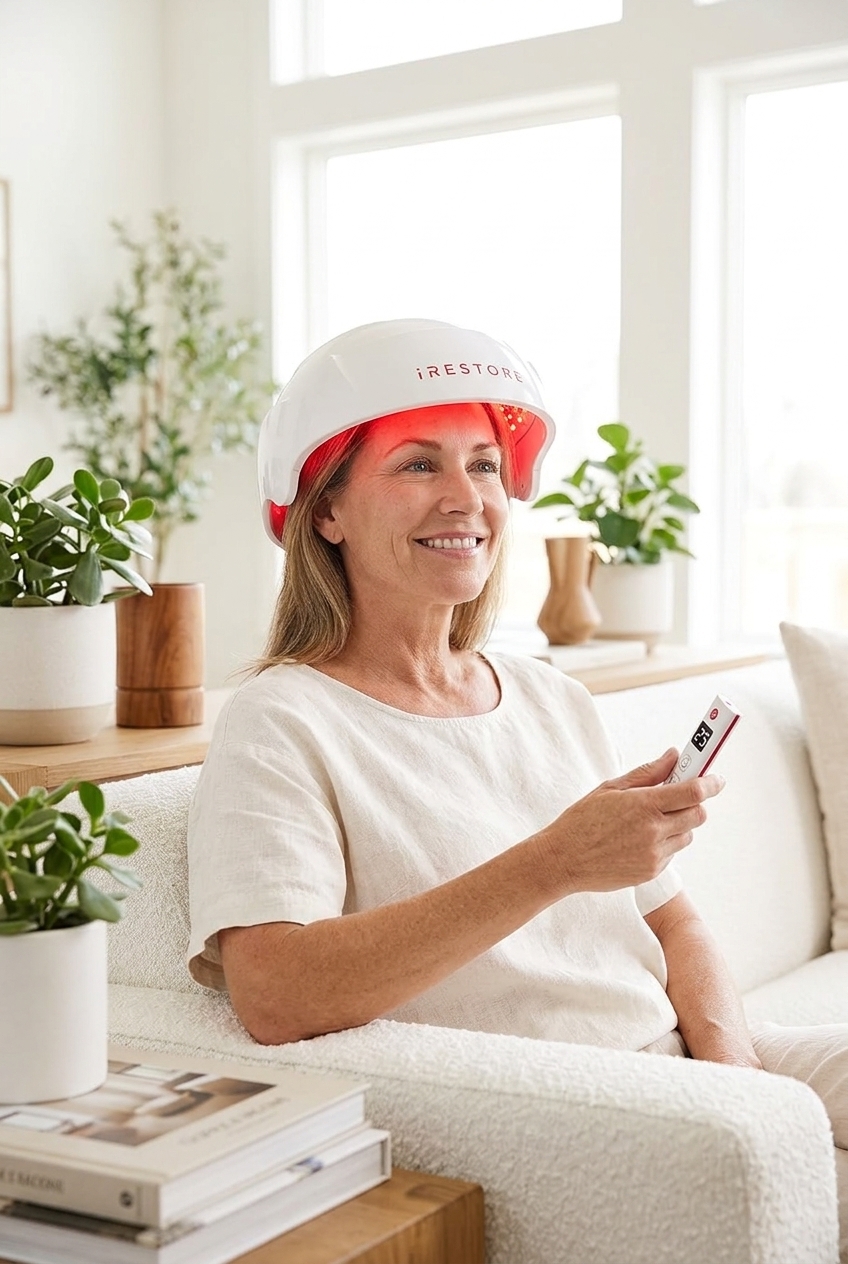
FDA cleared device for stimulating hair growth. It also takes time to see results, but reviewers report new hair growth after a few weeks. You do need to be still when wearing this model.
What to Look for Before You Buy
- Stated wavelengths. Look for red (620 to 660 nm) and/or near-infrared (800 to 850 nm) clearly listed.
- Irradiance and transparency. Brands that share power output and testing details are generally more trustworthy.
- FDA clearance. Some devices are FDA-cleared for specific uses. That’s a helpful quality signal, though not a guarantee of results.
- Fit and comfort. If it’s annoying to use, you won’t use it consistently.
- Return policy. Give yourself an out if it isn’t for you.
- Price vs. performance. Higher price doesn’t always mean better, but very low prices often signal weak output.
How to Work It Into Your Routine
- Cleanse your face and pat dry. Skip heavy products during the session.
- Use your device at the recommended distance and time.
- Follow with your serums and moisturizer. Hydrating products pair beautifully with a post-light routine.
- Finish with SPF in the morning. Always.
My Take
Red light therapy isn’t magic, but for the right person it’s a lovely, low-effort self-care ritual with real, if modest, skin benefits. If you love a consistent routine, want to support your skin as it ages, and are willing to be patient, it can be a worthy addition. If you’re hoping for dramatic overnight results, save your money for sunscreen and a great retinol.
This post is for informational and lifestyle purposes and isn’t medical advice. Talk with your dermatologist about what’s right for your skin.